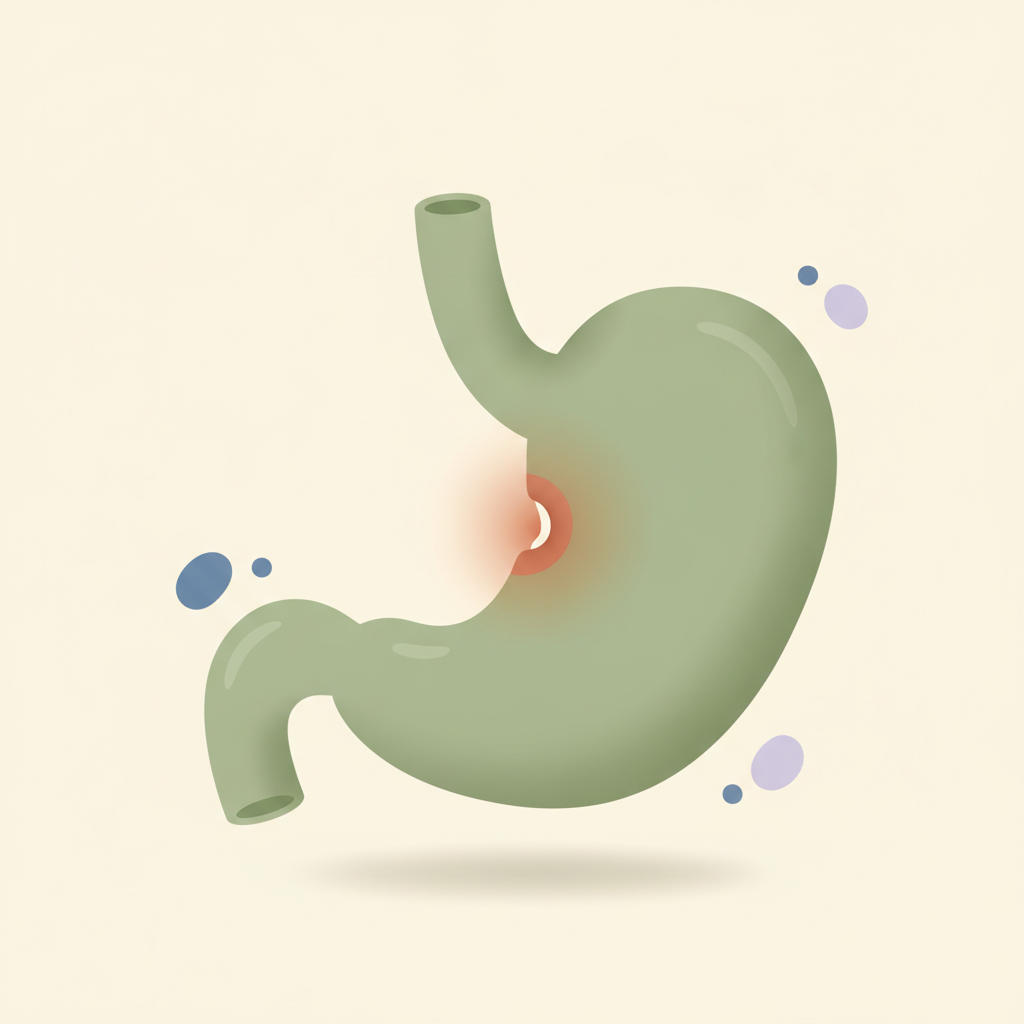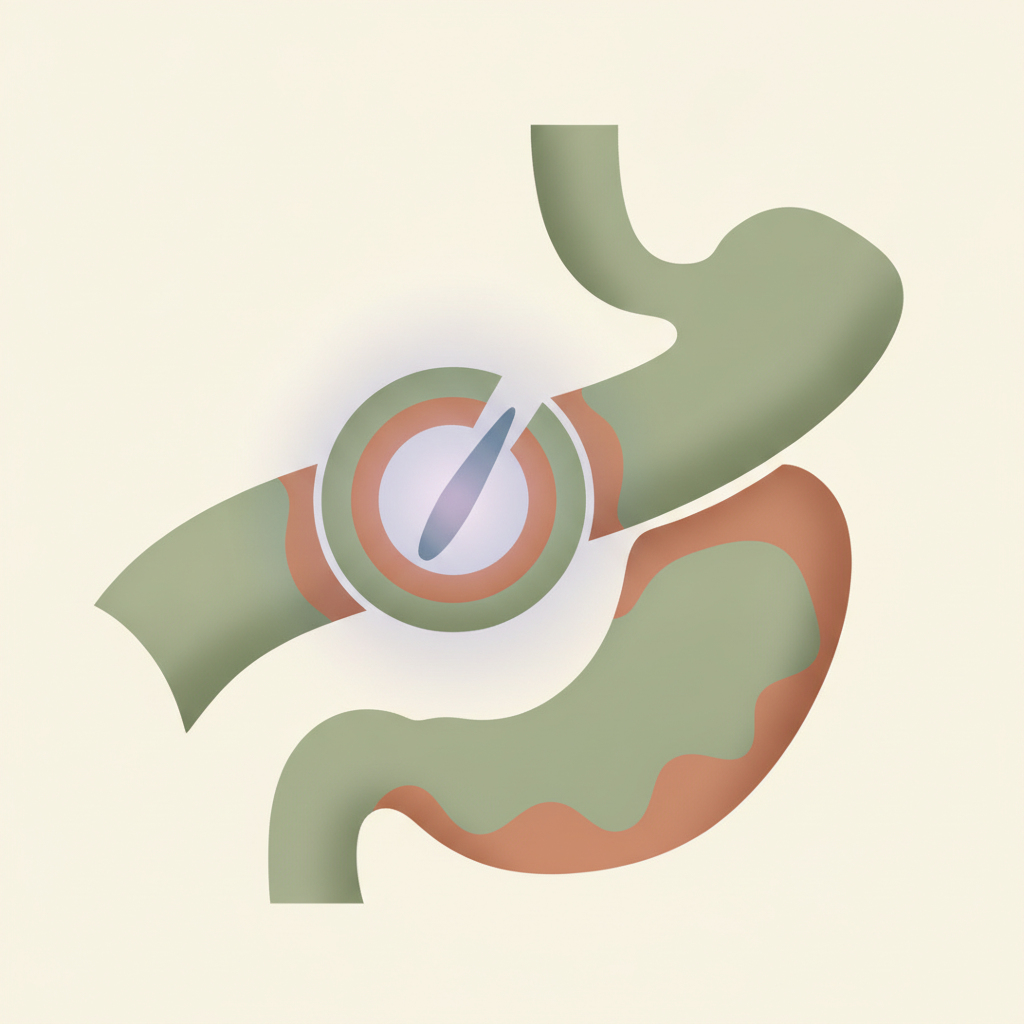

Alcohol affects reflux through more than one path, which is why even a small amount can trigger symptoms in some people. It relaxes the LES directly, similar to caffeine, making it easier for stomach contents to move upward. It also increases stomach acid production and can irritate the esophageal lining directly, especially with drinks that are also acidic (wine) or carbonated (beer, some cocktails). Alcohol's effect tends to be dose-dependent for many people — a small amount causing no issue, while a larger quantity, especially combined with a late or heavy meal, triggers clear symptoms. Clear spirits are sometimes tolerated better than wine or beer, though this varies by individual. Drinking earlier in the evening rather than right before bed, and pairing alcohol with food rather than on an empty stomach, are two practical ways to reduce its impact.