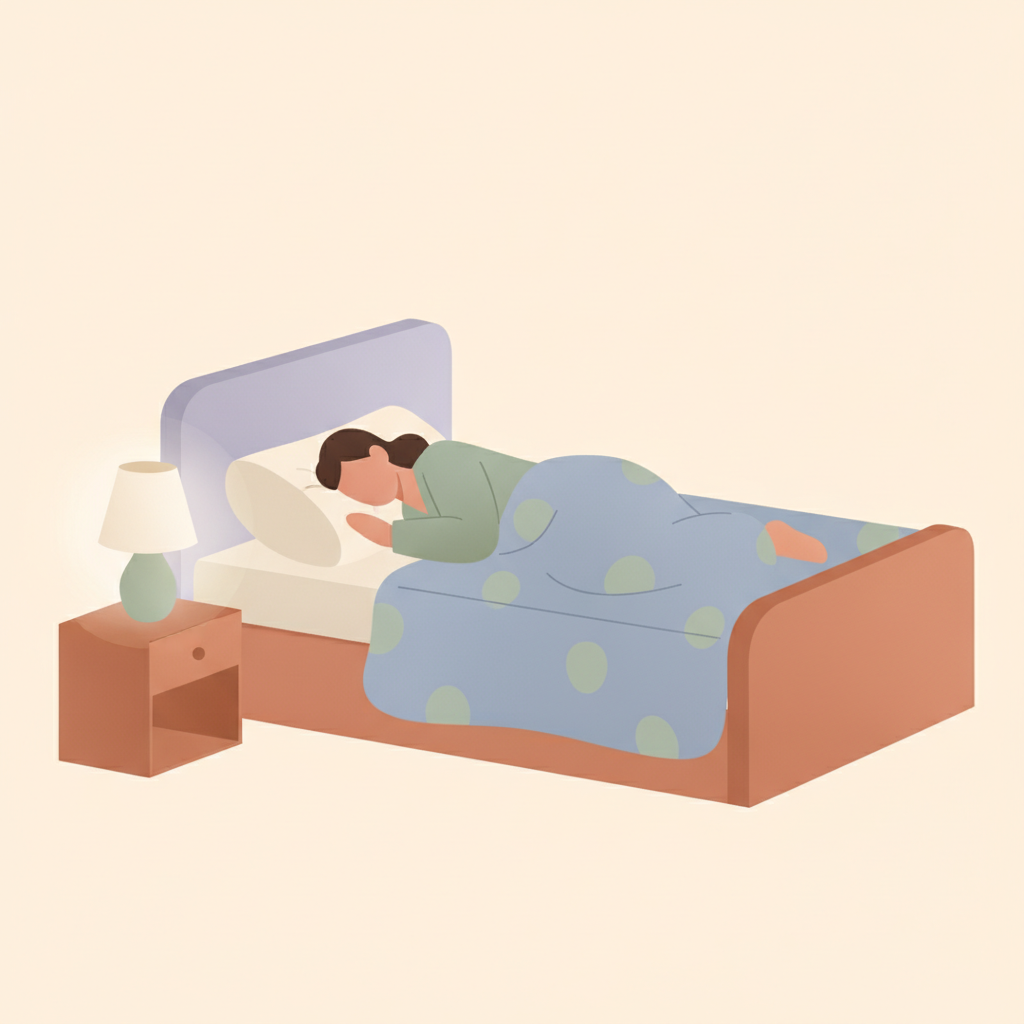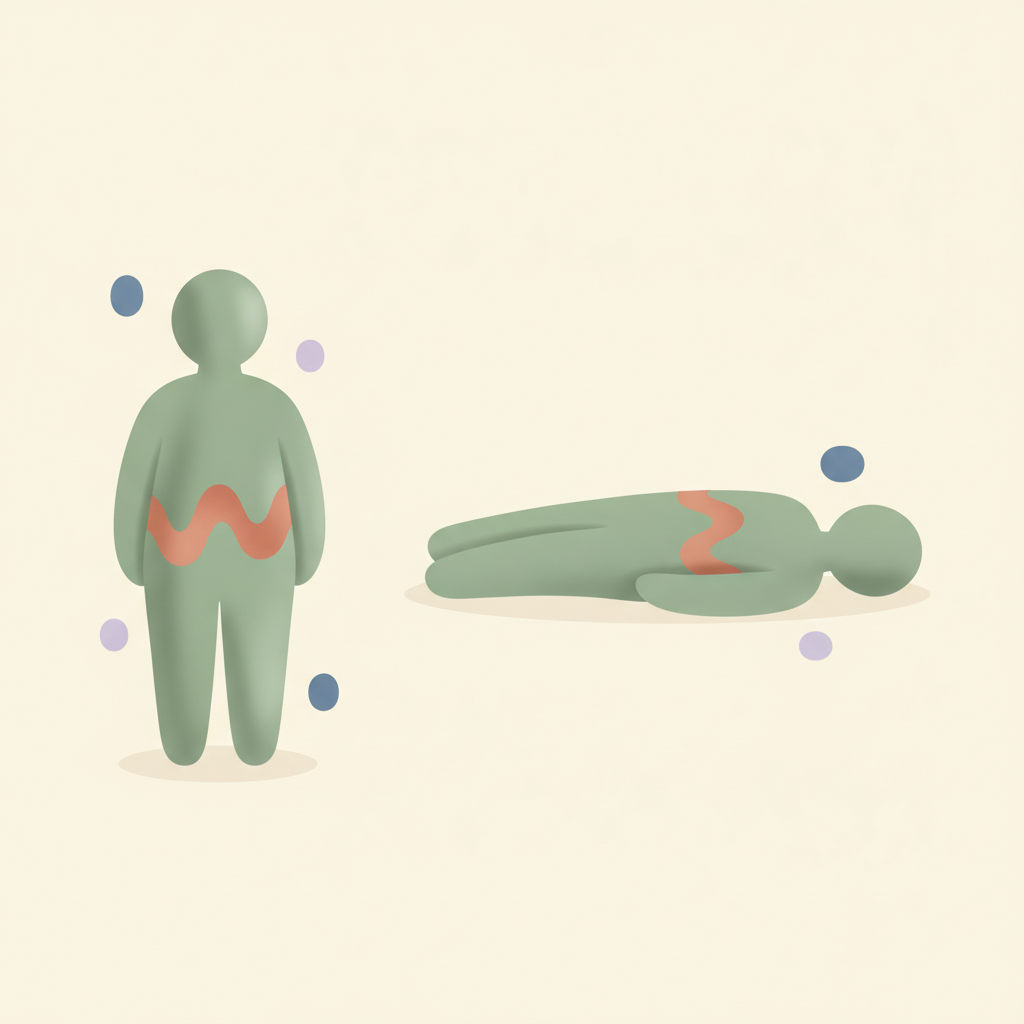
Naps can trigger reflux through the same basic mechanism as nighttime sleep — lying flat removes gravity's help and reduces swallowing, both of which make it easier for stomach contents to travel upward.
Why naps can be worse than expected
A nap taken soon after a meal, which is common (the post-lunch dip in energy often follows eating), combines two reflux risk factors at once: a fuller stomach and a flat position. This timing overlap is why some people notice reflux more after naps than after a full night's sleep, even though the nap is shorter.
How to nap without triggering symptoms
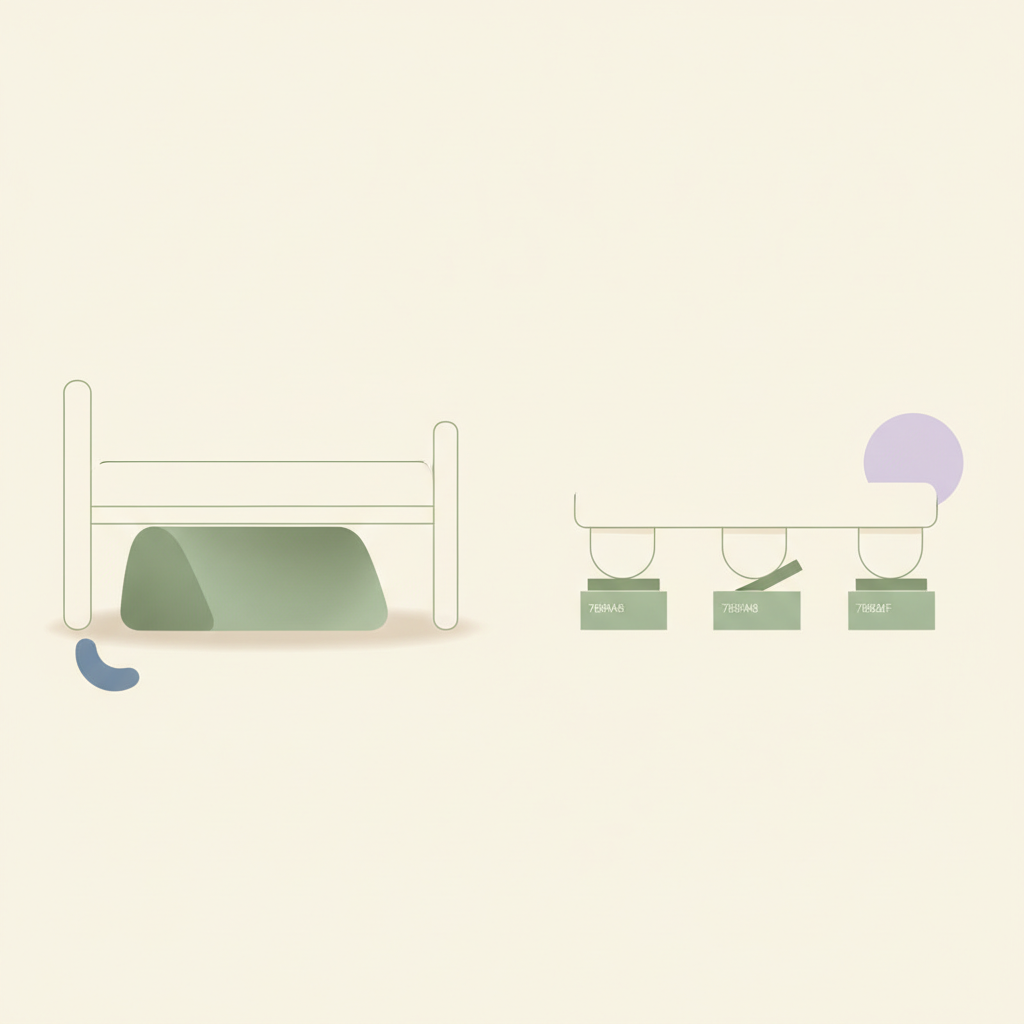
Waiting at least two to three hours after eating before lying down for a nap, and napping in a reclined chair or with the upper body elevated rather than fully flat, both reduce the risk significantly. A shorter nap in a semi-upright position is generally better tolerated than a longer one lying completely flat right after lunch.
If naps consistently cause symptoms
That's useful information about your own reflux pattern — it suggests that position and timing relative to meals matter more for you than for people who don't notice the same effect, and it's worth applying the same logic to nighttime sleep timing.