Roasted vegetables are an easy, reflux-friendly side for almost any main dish, as long as the vegetables chosen and the amount of oil used stay within reason.
Vegetables that tend to work well
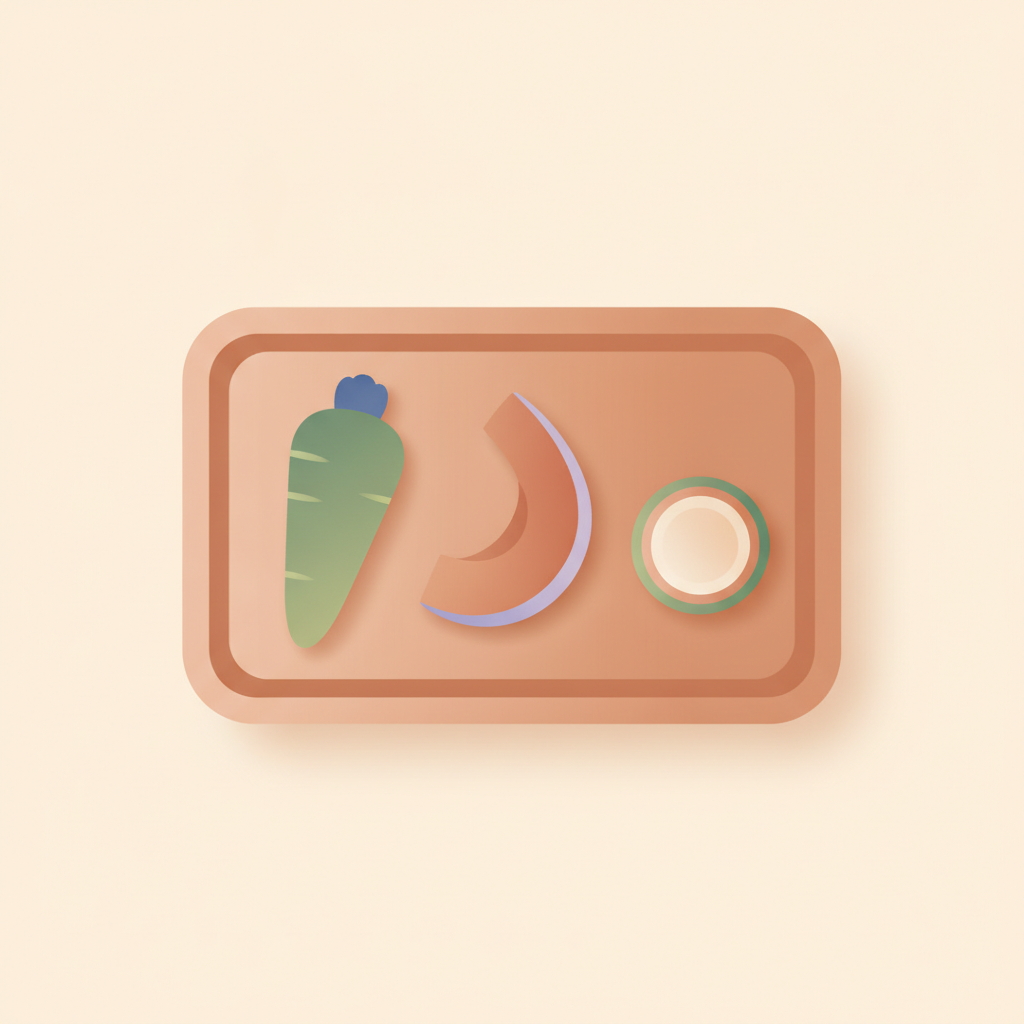
Carrots, zucchini, green beans, sweet potato, and broccoli are all low-acid and generally well tolerated. Onions and garlic are worth watching if you're sensitive to them specifically, though roasting mellows their intensity somewhat compared to raw.
A simple method
Toss vegetables in a light coating of olive oil (a tablespoon or two for a full tray, not a heavy pour), season with herbs like rosemary or thyme instead of a spicy rub, and roast at 400°F/200°C until tender. A pinch of salt and a sprinkle of parmesan after roasting adds flavor without needing acidic finishing touches like a squeeze of lemon.
Vegetables to approach carefully
Tomatoes (again, technically a fruit) and raw bell peppers are more likely to cause trouble for some people, though roasting bell peppers tends to make them milder and better tolerated than eating them raw.
Vegetables should be the largest part of most reflux-friendly plates — this is one of the easiest categories to build confidence in, since so much of it is naturally gentle.