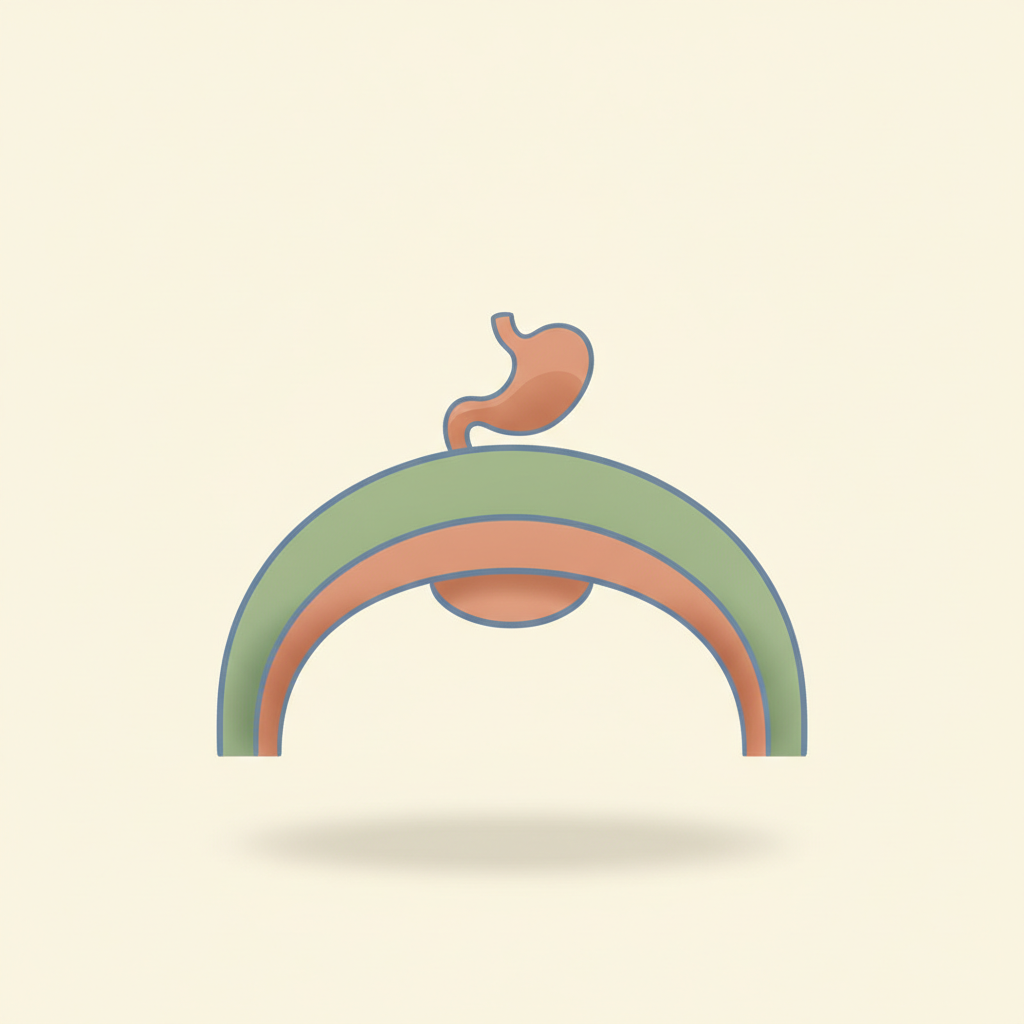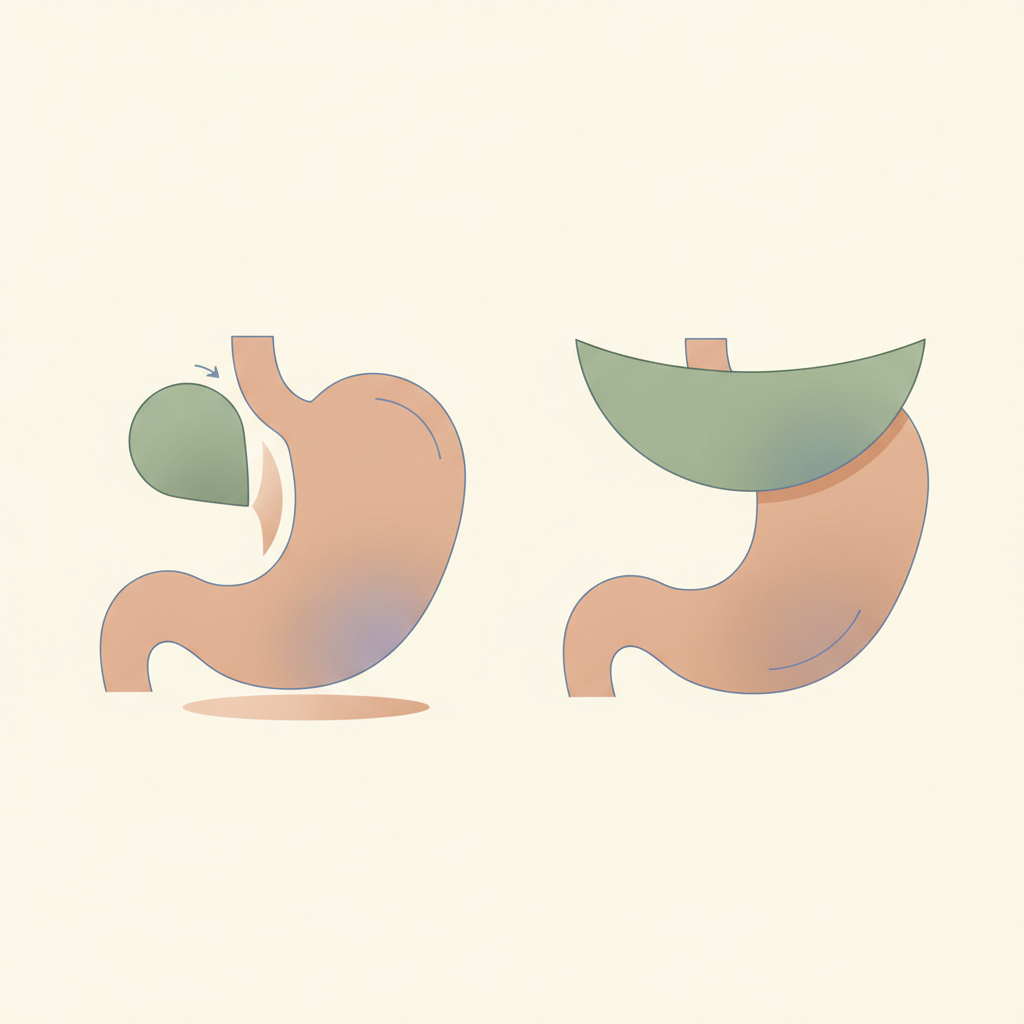
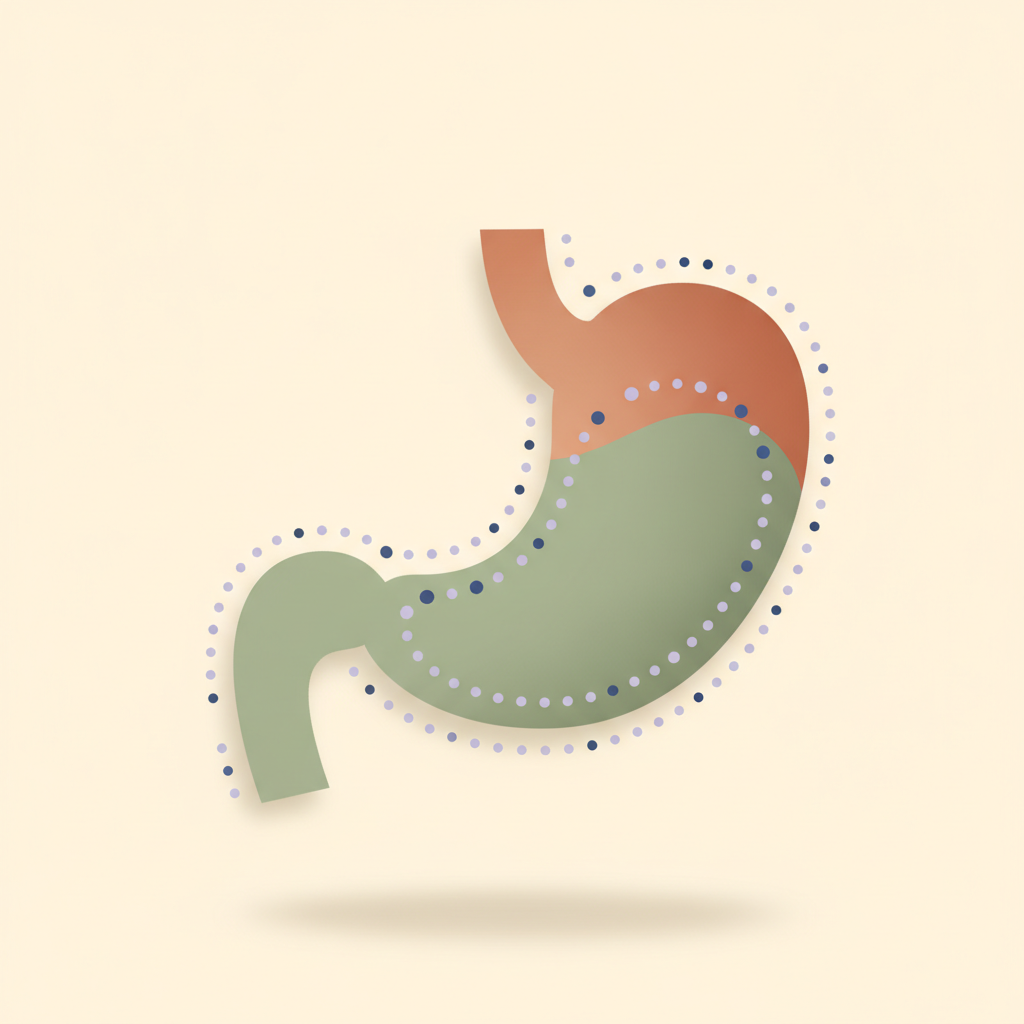
Most hiatal hernias don't require surgery. Small to moderate hernias are typically managed the same way as reflux generally — diet, weight management, sleep position, and medication — and many people control symptoms well this way indefinitely. Surgery is usually considered when symptoms are severe and not responding to medication, when the hernia is large enough to cause complications (like difficulty swallowing or significant esophagitis), or in less common cases where part of the stomach is at risk of becoming trapped. The most common surgical approach, fundoplication, wraps part of the stomach around the LES to reinforce it, often performed alongside repairing the hernia itself. It's generally considered after other options have been tried, not as a first response to a hiatal hernia diagnosis, and the decision is made based on symptom severity and response to treatment rather than hernia size alone.