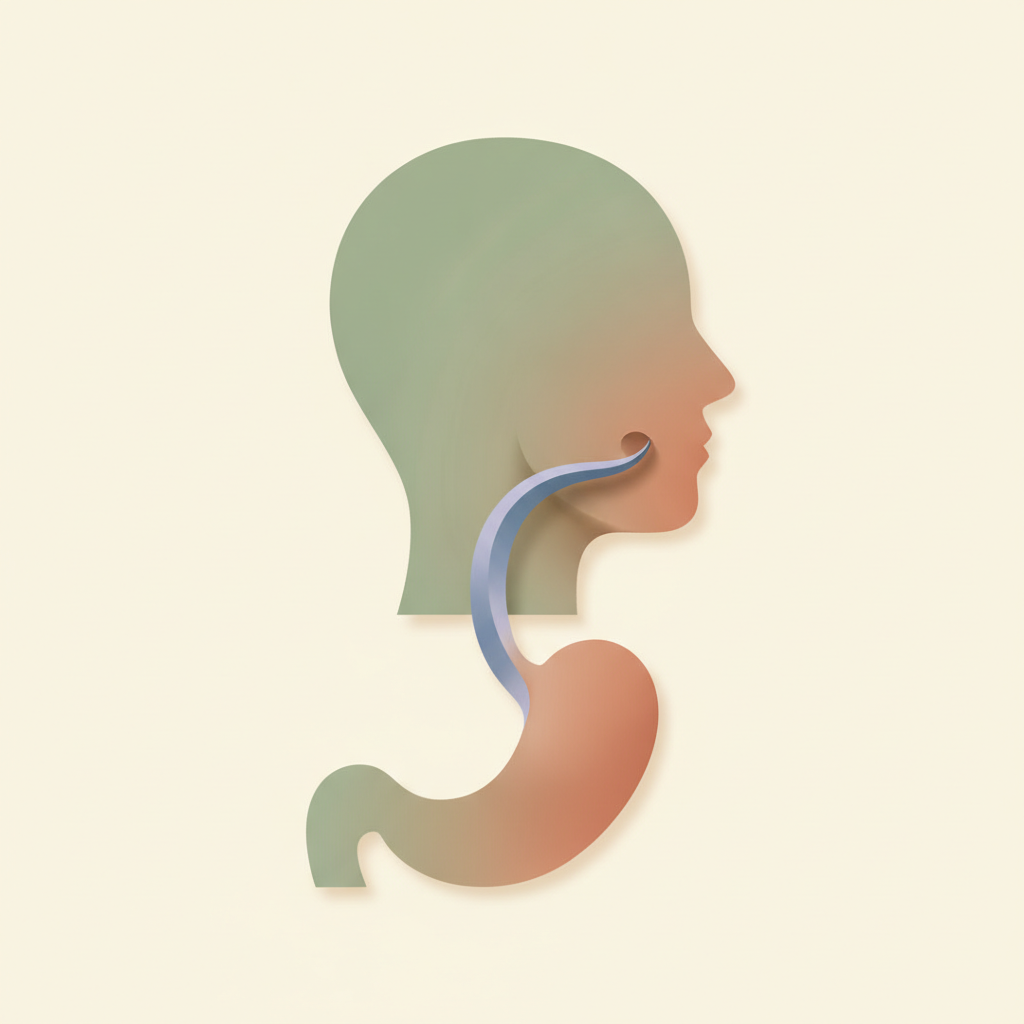

Diagnosing LPR is less straightforward than diagnosing typical GERD, partly because there's no single definitive test and symptoms overlap with several other conditions. Doctors often start with a symptom-based assessment and a trial of reflux treatment (typically a PPI) for several weeks — improvement during the trial is itself considered supportive evidence, even without further testing. When symptoms are persistent or unclear, an ENT may perform laryngoscopy, a brief exam using a small camera to look directly at the throat and voice box for signs of irritation or swelling consistent with acid exposure. More specialized testing, like pH monitoring that measures acid reaching the throat over 24 hours, is sometimes used in cases that don't respond to initial treatment or need clearer confirmation. Because LPR can mimic allergies, postnasal drip, or vocal overuse, ruling those out is often part of the process too.