Nissen fundoplication is the most established and widely performed surgical procedure for GERD, and understanding what it actually does mechanically helps make sense of why it's considered for certain patients.
What the procedure does
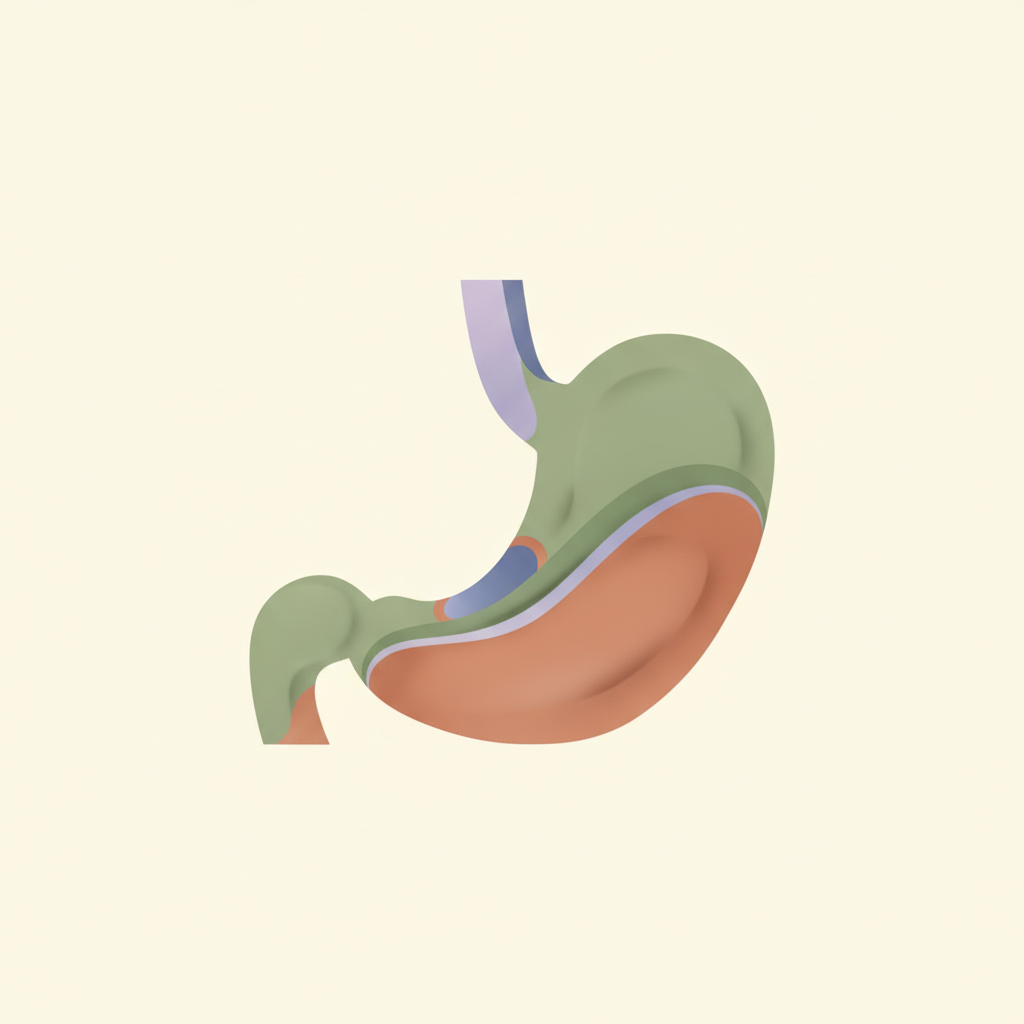
The surgeon wraps the upper part of the stomach (the fundus) around the lower esophagus, creating a new, reinforced valve that helps prevent stomach contents from moving back up. This directly addresses the mechanical weakness of the lower esophageal sphincter that underlies much of typical GERD, rather than managing acid production the way medication does.
How it's typically performed
Most Nissen fundoplications today are done laparoscopically — through several small incisions using a camera and specialized instruments — rather than open surgery, which generally means a shorter hospital stay and recovery period compared to older surgical approaches.
Who it's generally considered for
This procedure is typically discussed for people with confirmed GERD (usually verified through testing like pH monitoring or manometry) who haven't gotten adequate relief from medication, who don't want to remain on long-term medication, or who have a large hiatal hernia contributing to their symptoms. It's a significant decision that involves a thorough pre-surgical evaluation, not a first-line treatment.
This isn't personal medical advice. Whether this surgery is appropriate for you is a decision to make with a gastroenterologist and surgeon based on your specific testing and circumstances.