Proton pump inhibitors (PPIs) — omeprazole, esomeprazole, lansoprazole, and similar drugs — are the most commonly prescribed treatment for frequent reflux and GERD. They're effective for most people, but they work differently from antacids, and that difference explains both why they're so often recommended and why they come with real trade-offs worth understanding.
How they actually work
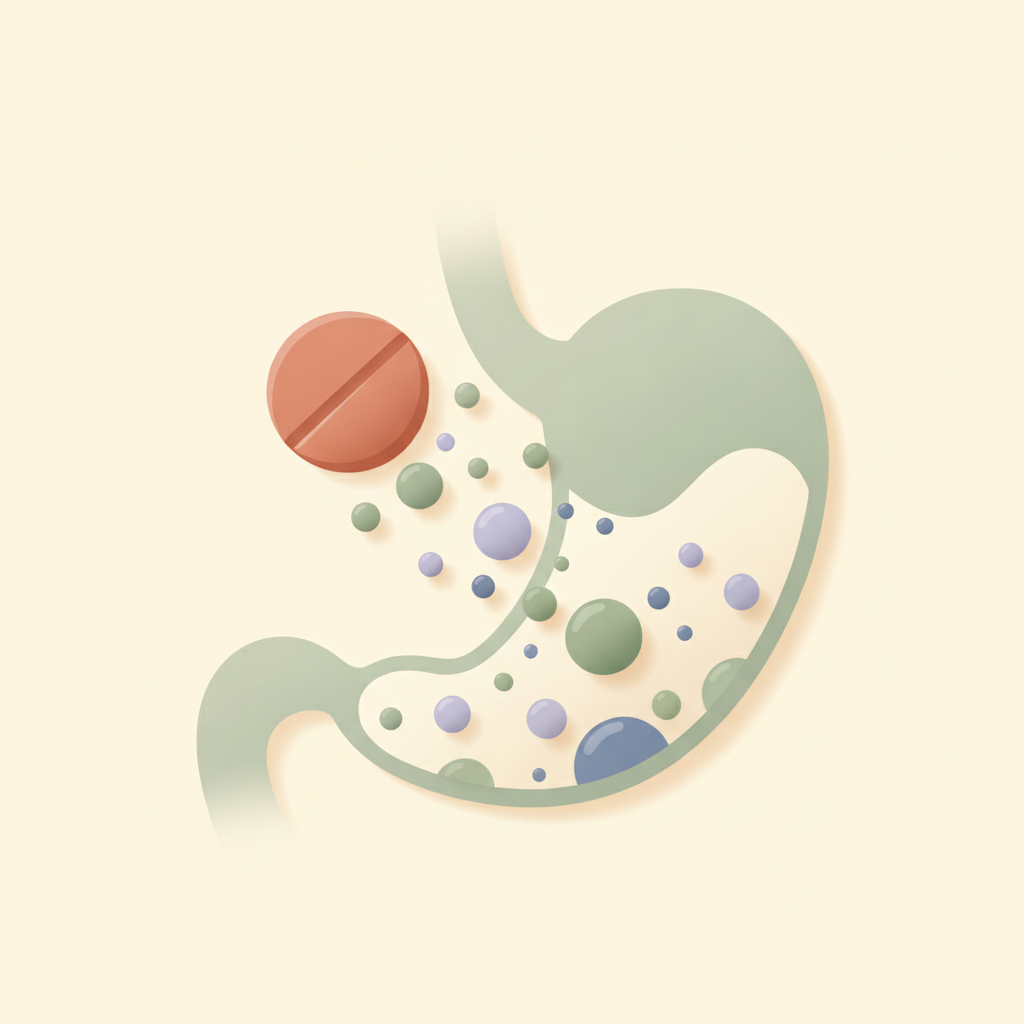
Stomach cells produce acid through specialized "proton pumps" in their lining. PPIs block these pumps directly, which reduces how much acid the stomach makes in the first place — rather than neutralizing acid after it's already there, which is what antacids do.
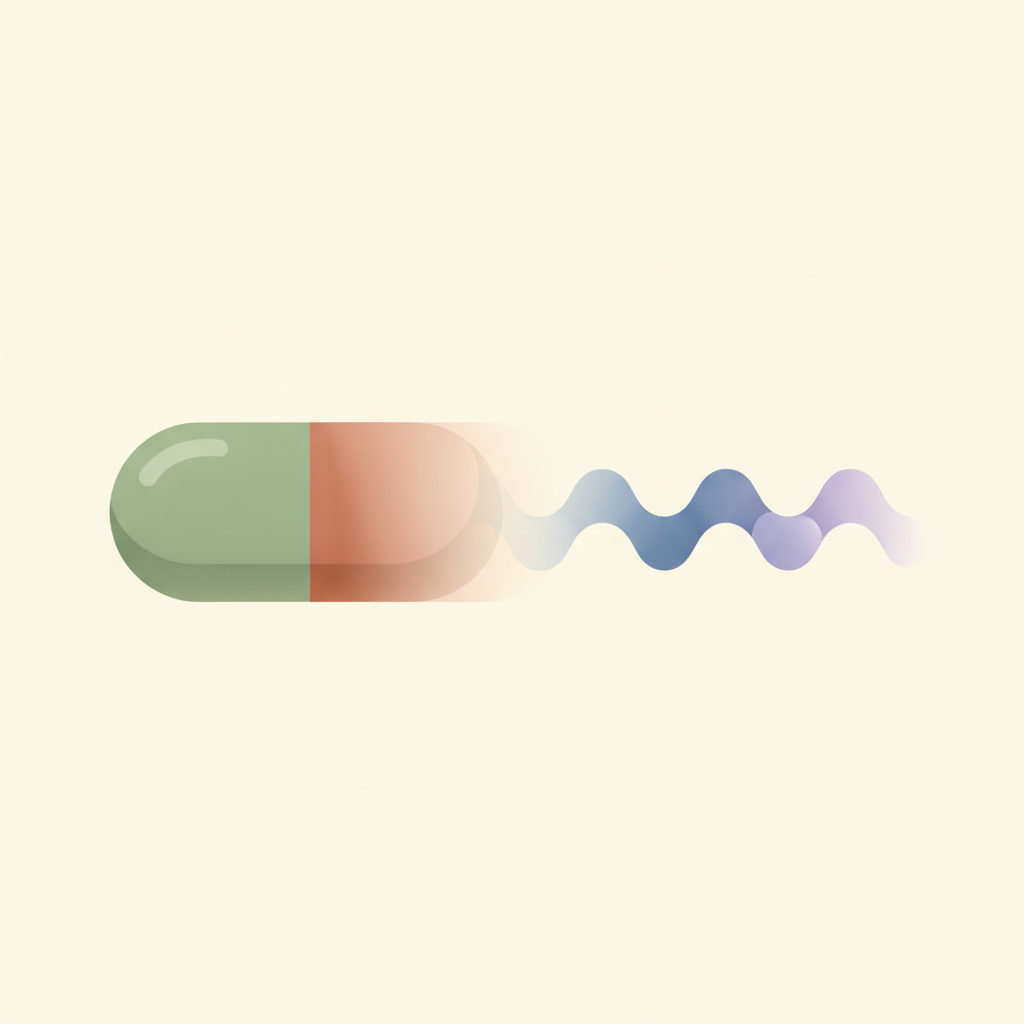
This is why PPIs take longer to start working (often 1–4 days for full effect) but provide much longer, steadier relief than an antacid, which works within minutes but wears off within an hour or two. PPIs are typically taken once a day, 30–60 minutes before a meal, so the medication is active when the stomach produces the most acid.
Why they're often the first real treatment offered
For someone with frequent heartburn (more than twice a week) or diagnosed GERD, reducing overall acid production addresses the problem more directly than reacting to individual episodes. Lower acid also gives an irritated esophagus time to heal, which is part of why PPIs are standard treatment for esophagitis.
The trade-offs worth knowing
- Rebound acid hypersecretion. Stopping a PPI suddenly after extended use can cause the stomach to temporarily overproduce acid, making symptoms feel worse than before treatment. Tapering off gradually, rather than stopping cold, is generally recommended.
- They treat acid, not the mechanical cause. If reflux is driven by a weak LES or a hiatal hernia, a PPI reduces how much the reflux burns, but doesn't stop the reflux itself from happening.
- Long-term use has open questions. Extended use has been studied for associations with nutrient absorption (notably B12 and magnesium), bone density, and kidney function. The evidence varies in strength, and for many people the benefit of treating GERD outweighs these risks — but it's a reasonable thing to periodically revisit with a doctor rather than treat as a lifelong default.
- They don't work instantly. Taking one during an active heartburn episode won't help the way an antacid does — they're a maintenance treatment, not a rescue one.
The practical takeaway
PPIs are genuinely effective for reducing acid-related damage and frequent symptoms, which is why they're widely prescribed. They're best used at the lowest effective dose for the shortest reasonable duration, alongside the lifestyle changes that address why reflux is happening — not as a permanent substitute for figuring that out. Any decision to start, stop, or stay on a PPI long-term is worth making with a doctor, not from a article alone.