An upper endoscopy is a common, generally well-tolerated procedure, and knowing what to expect ahead of time tends to reduce anxiety about it considerably.
Before the procedure
You'll typically be asked to fast for six to eight hours beforehand (an empty stomach is important both for a clear view and for safety during sedation), and your doctor's office will give specific instructions about which medications to take or pause, particularly blood thinners, which may need to be adjusted in advance.
During the procedure
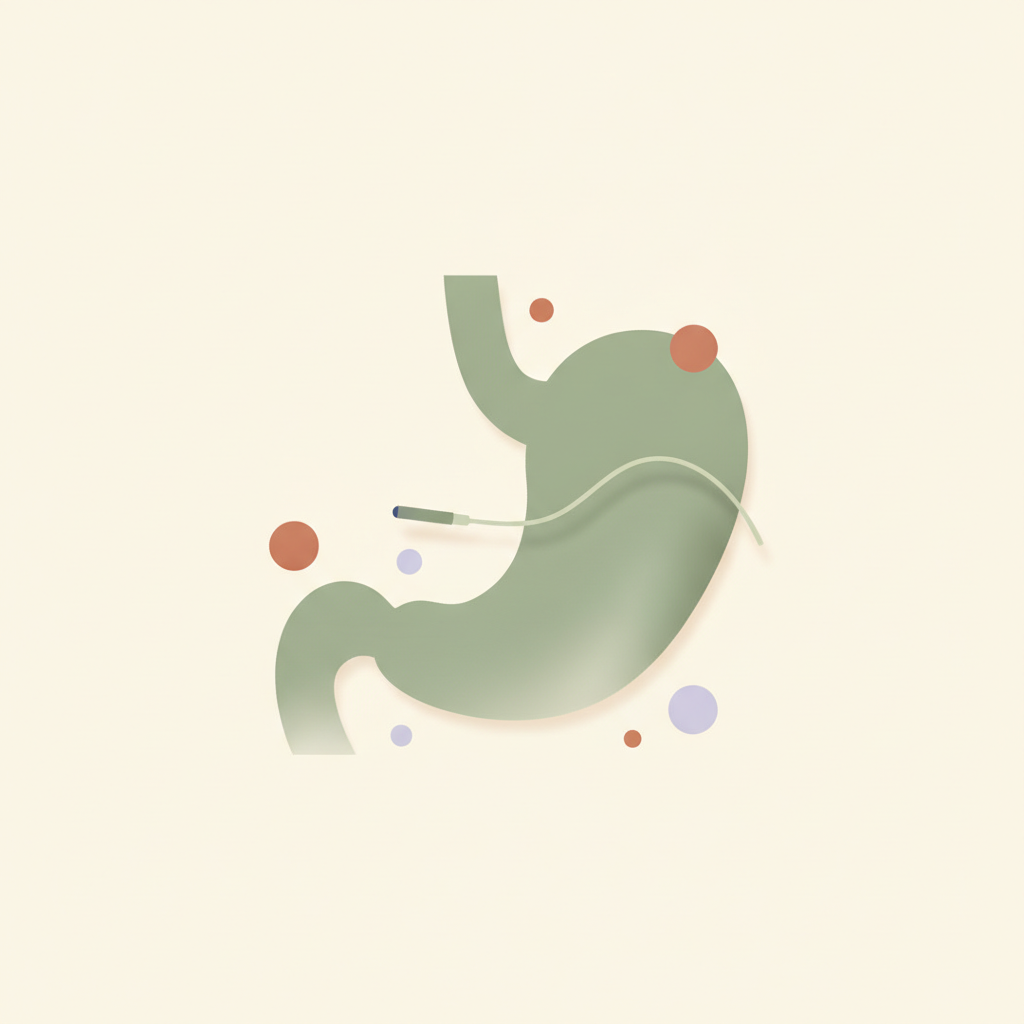
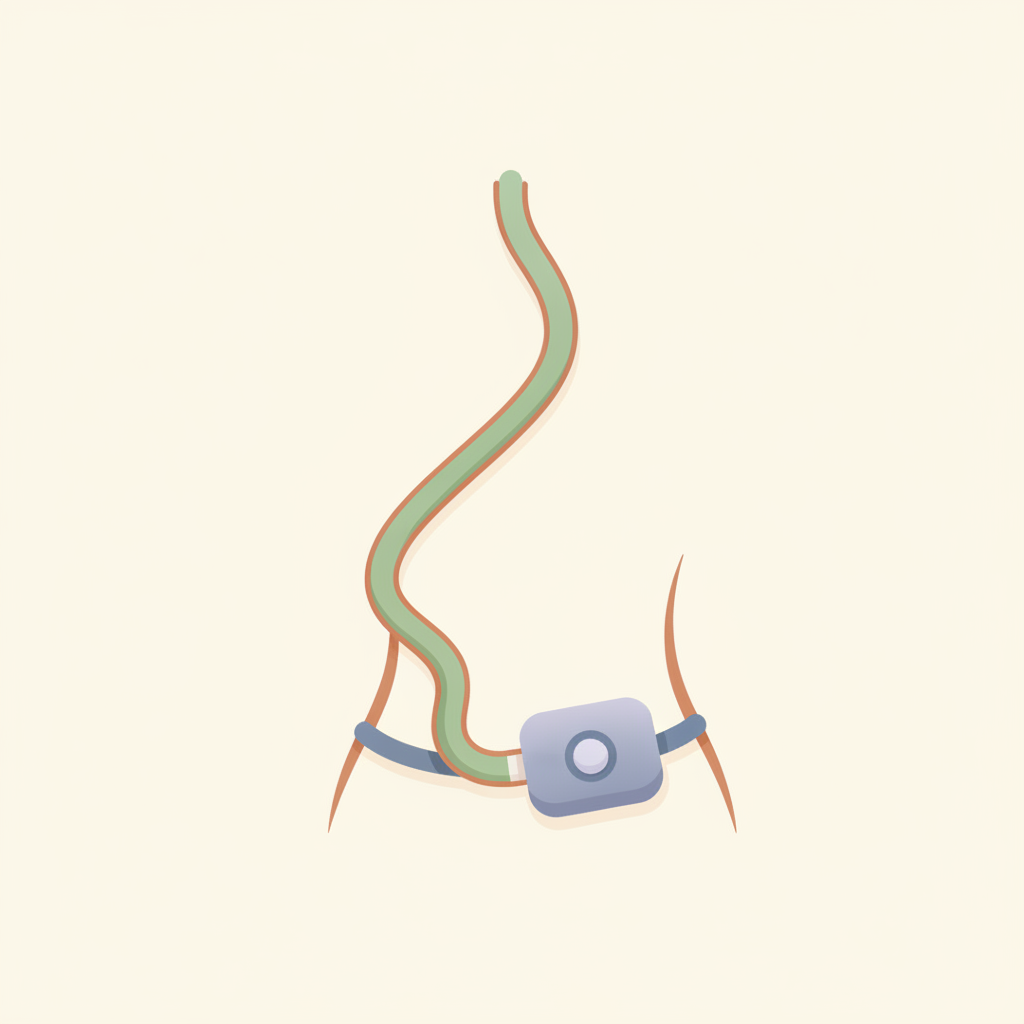
Most endoscopies are done under sedation, meaning you're relaxed and typically don't remember much of the procedure itself, though you remain able to breathe on your own throughout. A thin, flexible scope with a camera is passed through the mouth and down the esophagus, allowing the doctor to examine the esophagus, stomach, and the beginning of the small intestine, and take tissue samples if needed. The procedure itself usually takes well under an hour.
After the procedure
Because of the sedation, you'll need someone to drive you home, and you shouldn't drive or make significant decisions for the rest of the day. A mild sore throat afterward is common and temporary. Results from a visual exam are often available right away, while any tissue samples taken will take longer to come back from the lab.