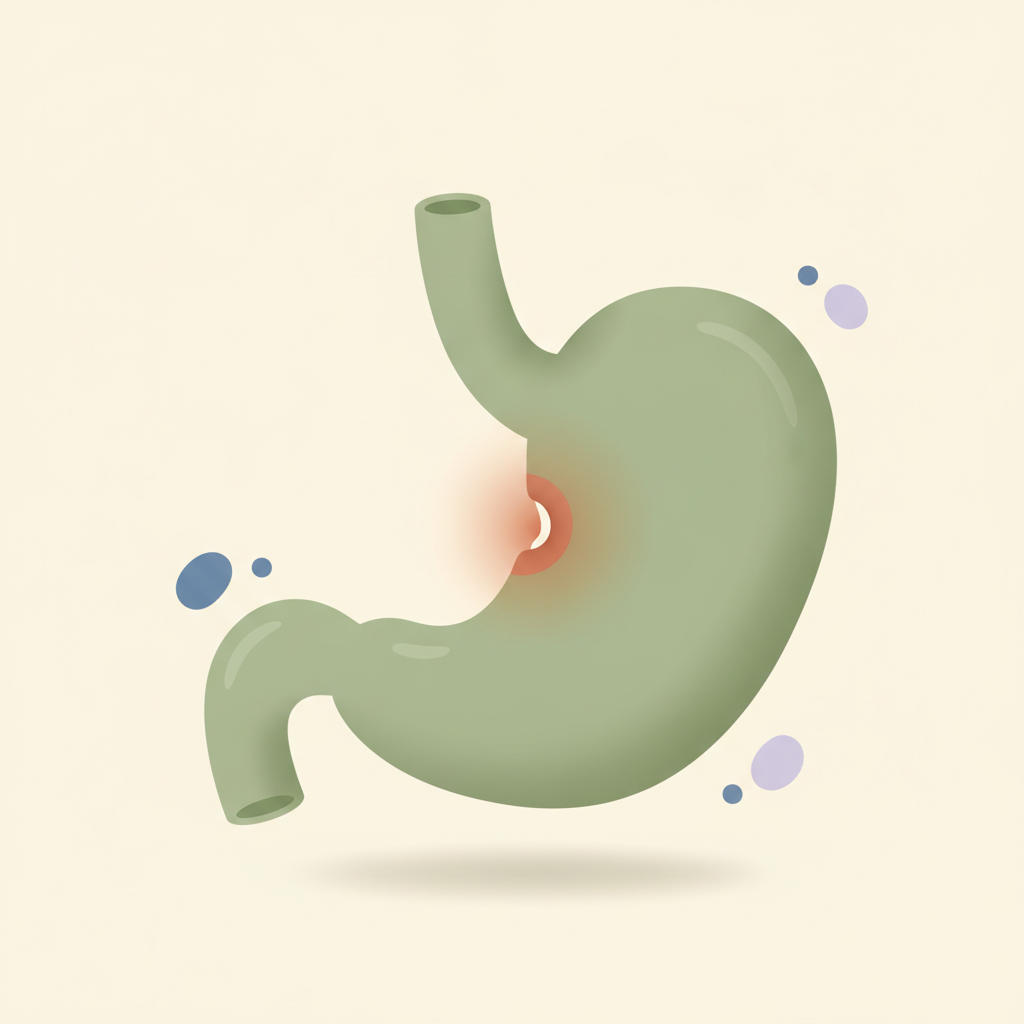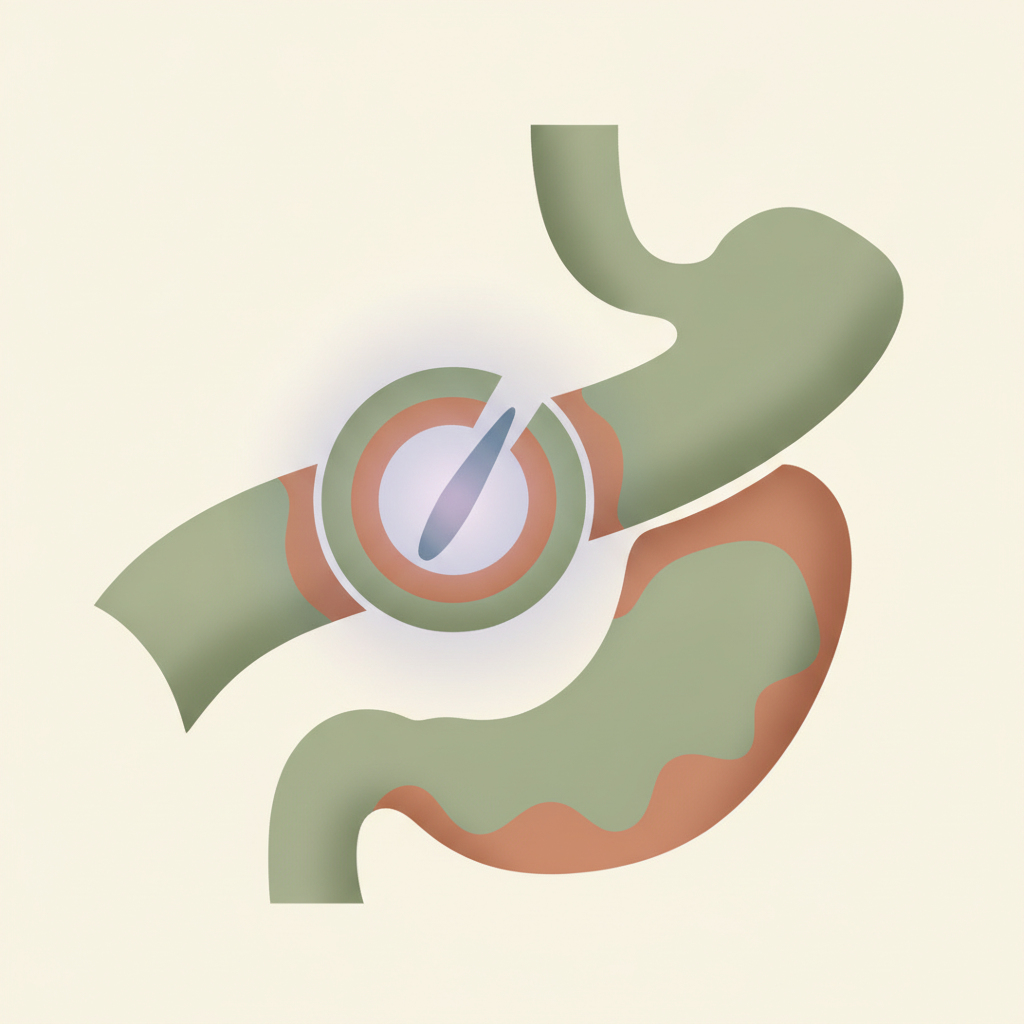
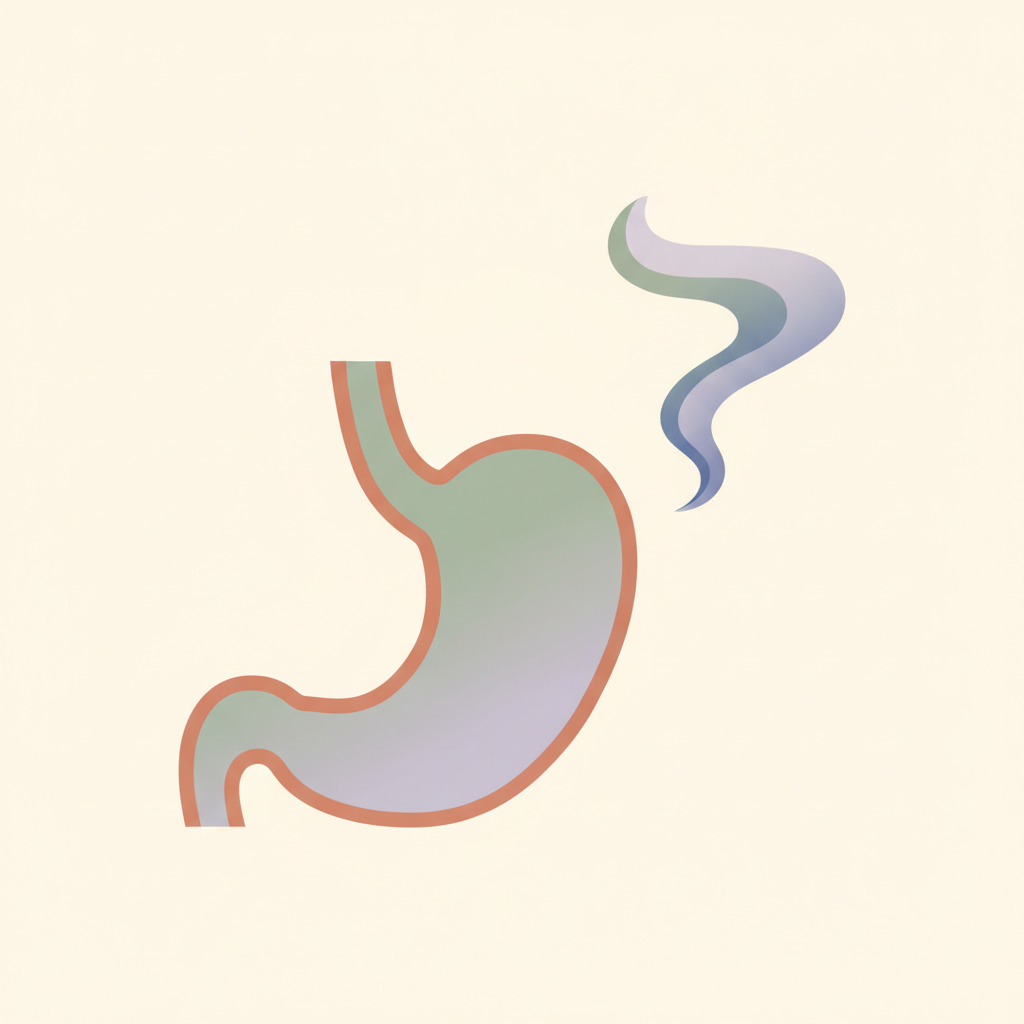
Smoking worsens reflux through several distinct mechanisms, which is part of why quitting is one of the more effective changes for people who smoke and have frequent symptoms. Nicotine relaxes the LES, similar to caffeine and alcohol. Smoking also reduces saliva production, which weakens one of the body's main defenses against acid, since saliva helps neutralize and wash it away. It slows stomach emptying, leaving more content available to reflux, and it directly irritates the esophageal lining, making existing irritation from reflux worse and slower to heal. The effect is cumulative rather than immediate — someone might not notice a direct link between a cigarette and symptoms, but long-term smoking meaningfully increases both the frequency and severity of reflux, and quitting has been shown to improve symptoms over time, though not always immediately.