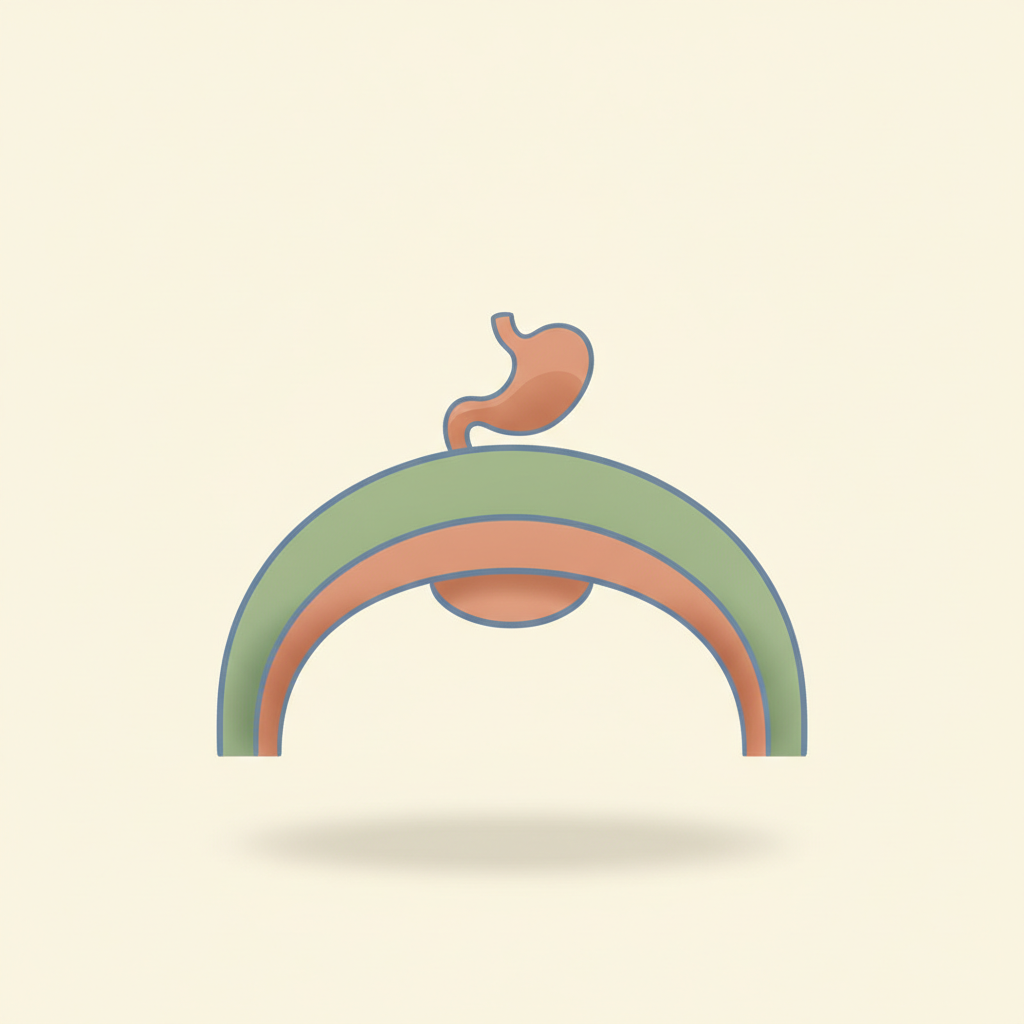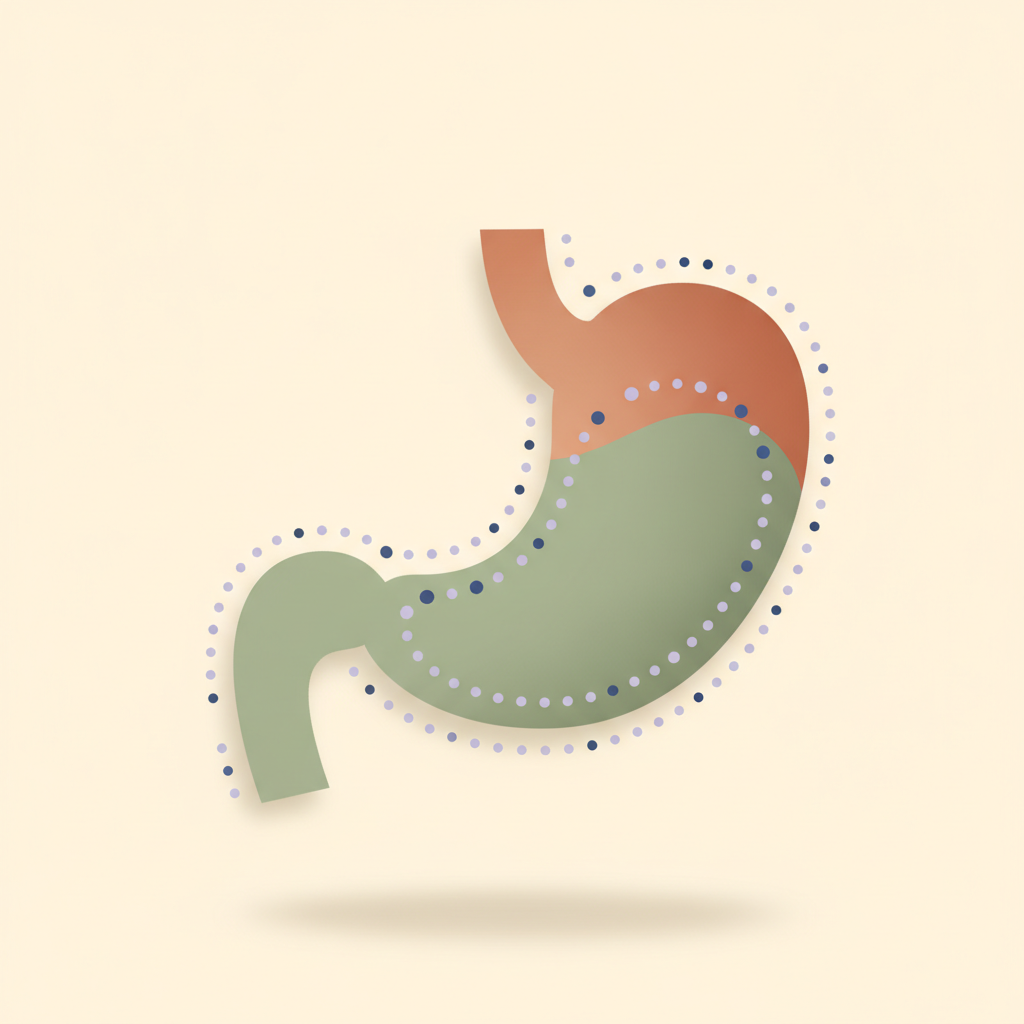
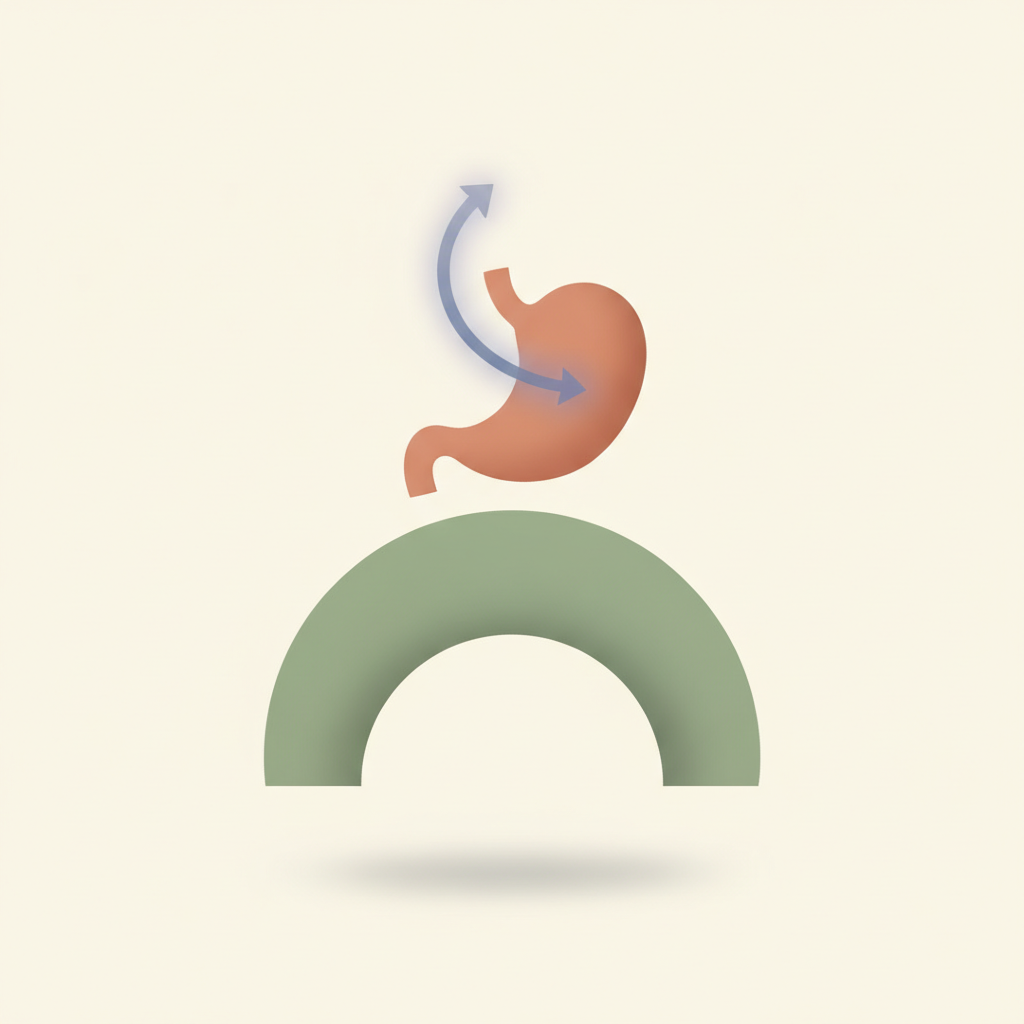
A hiatal hernia generally doesn't heal or resolve completely on its own once it's developed, since it involves a physical change in the diaphragm opening that doesn't typically reverse without intervention — but that doesn't mean nothing can be done.
What "managing" a hiatal hernia actually looks like
While the hernia itself usually persists, its symptoms can often be significantly reduced or well controlled through the same approaches used for general reflux — weight management, smaller meals, avoiding trigger foods, elevating the head of the bed, and medication when needed. Many people with a small hiatal hernia live with minimal symptoms once these changes are in place.
Why size matters
A small hiatal hernia is more likely to be effectively managed with lifestyle changes and medication alone, while a larger hernia is more likely to cause persistent symptoms that don't fully respond to non-surgical approaches, which is when surgical repair becomes a more relevant conversation.
Setting realistic expectations
The honest framing is symptom management rather than a cure through lifestyle changes alone — which for most people with a small-to-moderate hiatal hernia is enough to live comfortably, even if the hernia itself is still technically present.