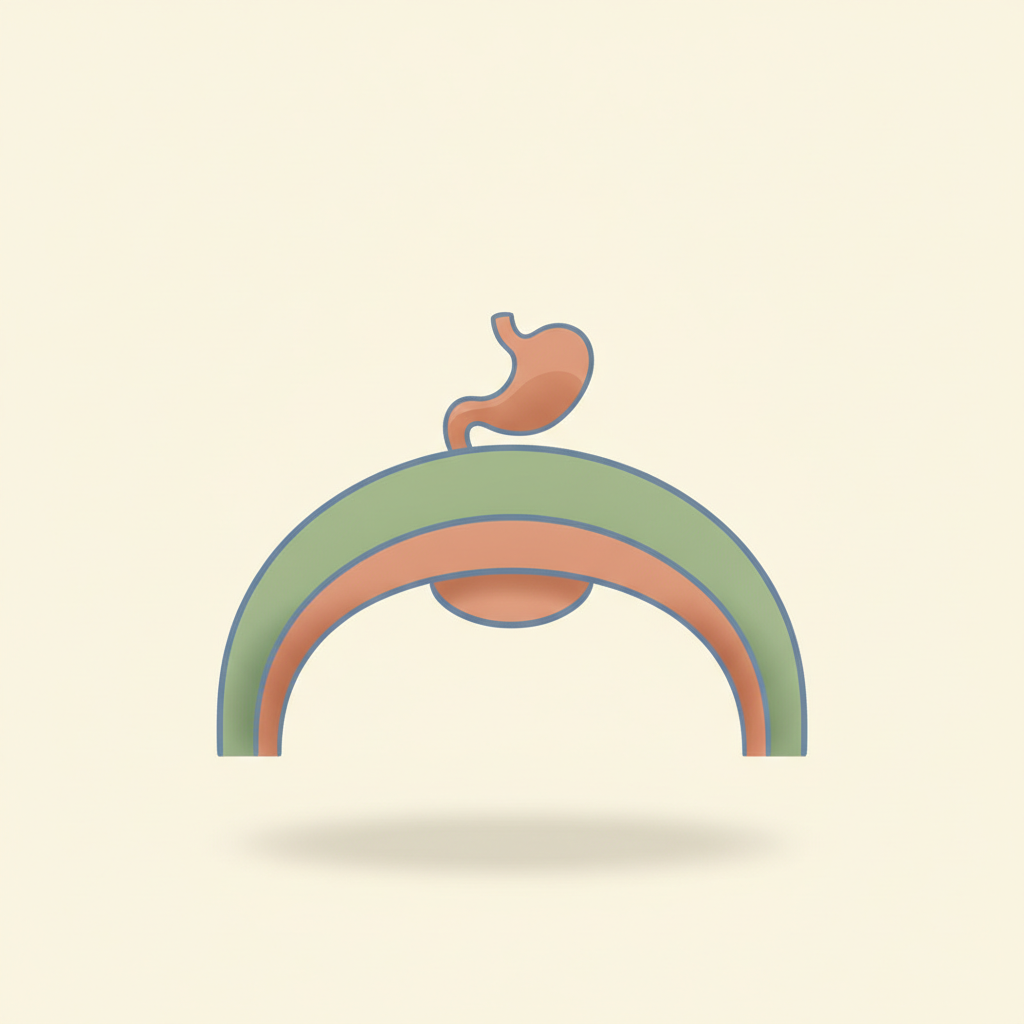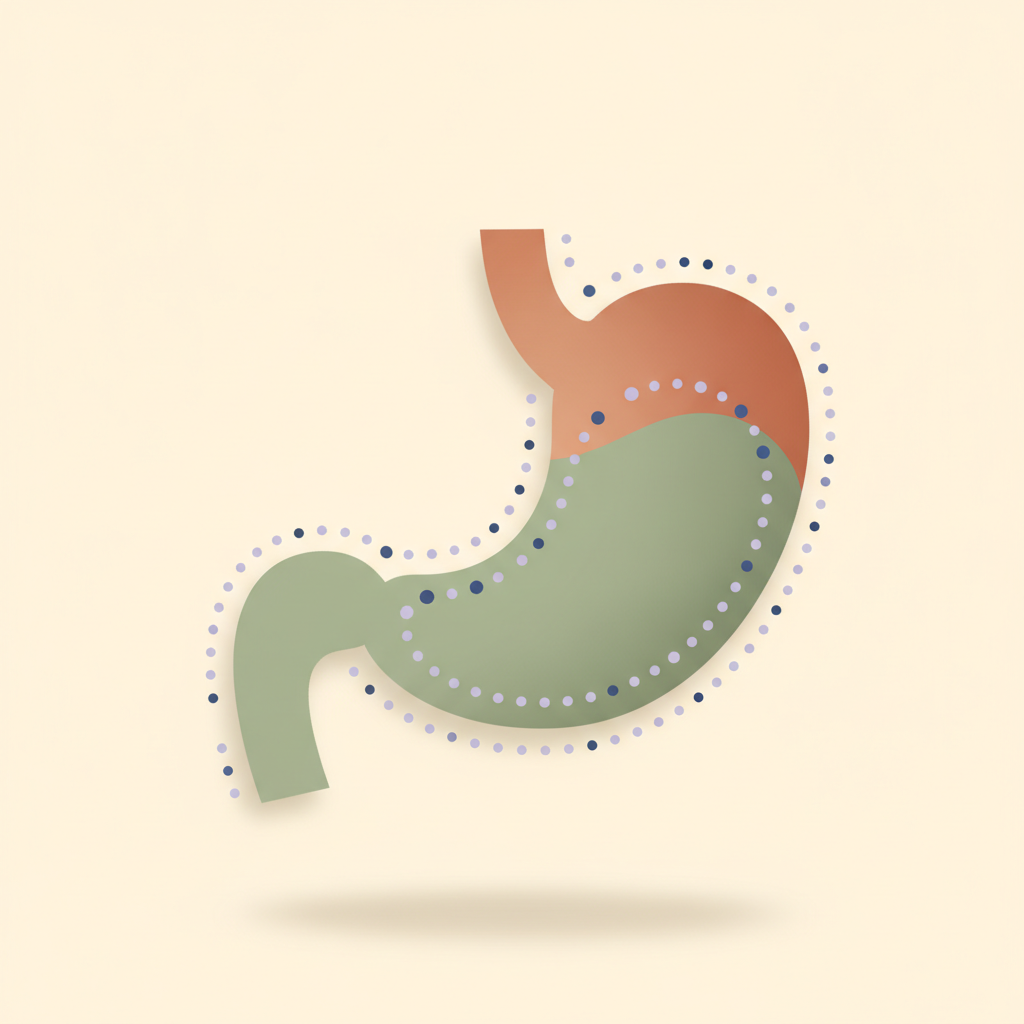
Dietary management for a hiatal hernia overlaps heavily with general reflux diet advice, since the hernia's main practical impact is making reflux more likely — but a few considerations are worth emphasizing specifically.
Portion size matters more than usual
Because a hiatal hernia already compromises the normal barrier between the stomach and esophagus, a large meal that stretches the stomach further can have an outsized effect on symptoms compared to someone without a hernia. Smaller, more frequent meals are often emphasized more strongly for hiatal hernia specifically than for reflux in general.
Standard reflux triggers still apply
Citrus, tomato, caffeine, alcohol, mint, and fatty or fried foods remain relevant triggers to watch for, following the same general reflux-friendly diet principles covered elsewhere on this site.
Weight and its outsized role
Excess weight, particularly around the abdomen, increases pressure that can worsen a hiatal hernia's symptoms more directly than it does typical reflux without a hernia, since the added pressure works against an already-weakened diaphragm opening. For people with a hiatal hernia who are carrying excess weight, weight management tends to be one of the higher-impact changes available.