The relationship between silent reflux and asthma runs in both directions, and untangling which came first (or whether both are being caused by something else) is a genuinely tricky diagnostic question.
How LPR can trigger or worsen asthma-like symptoms
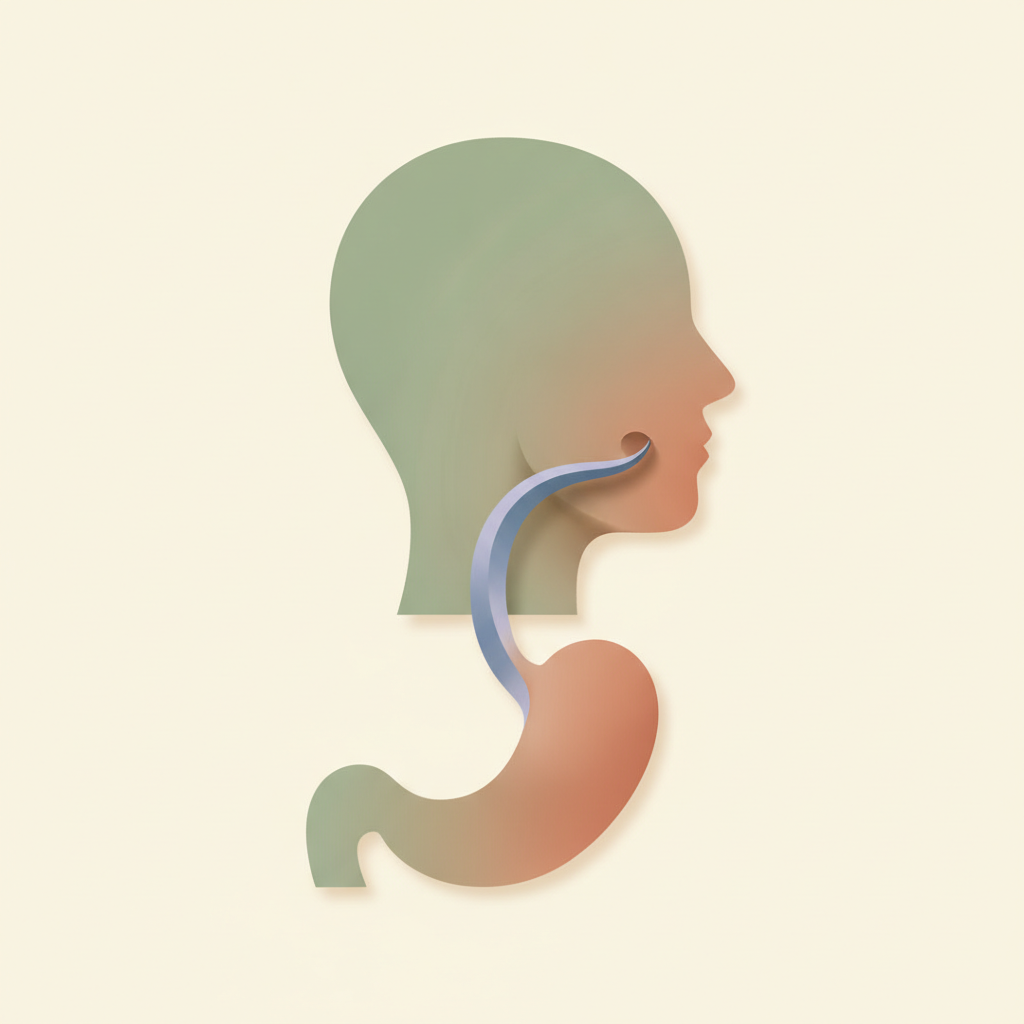
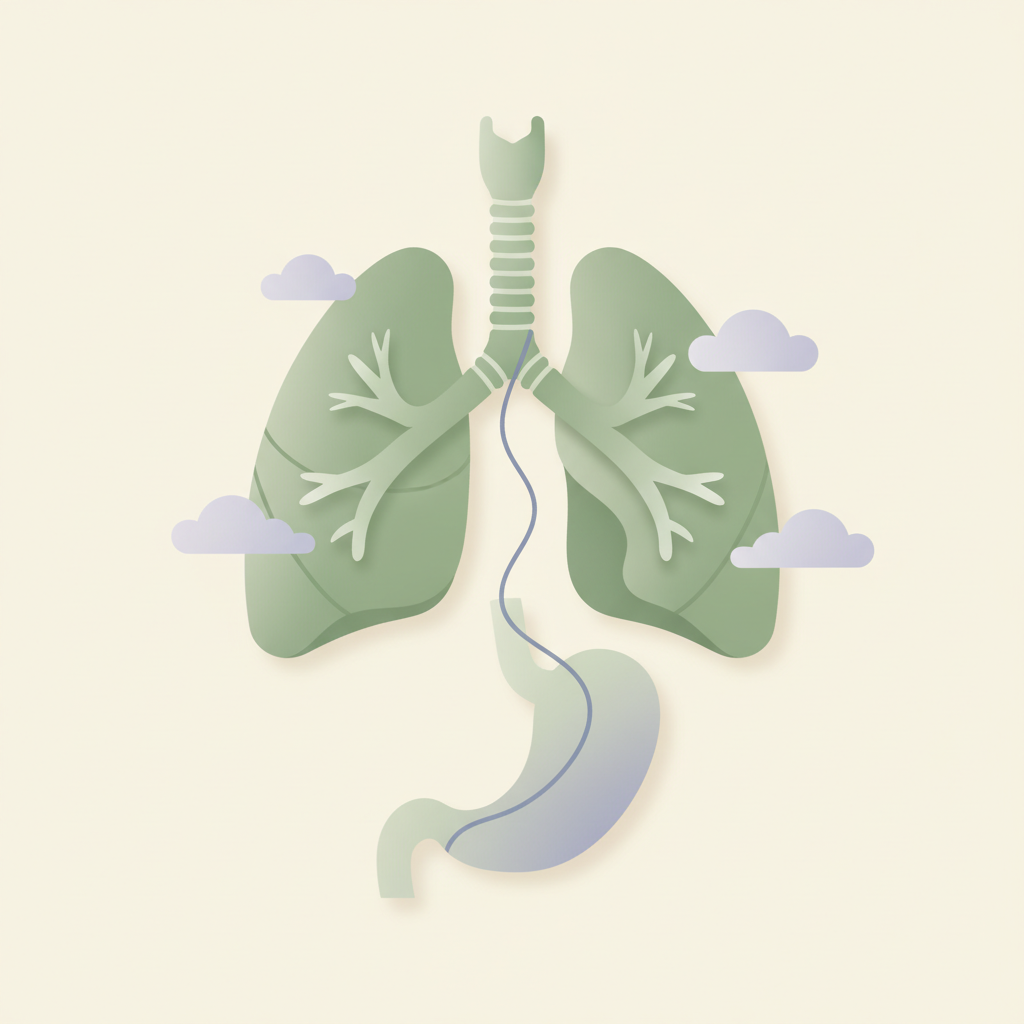
Acid or stomach contents reaching the throat and upper airway can trigger airway irritation and even bronchospasm in some people, producing wheezing or breathing difficulty that closely resembles asthma. In some cases, what looks like poorly controlled asthma is actually asthma-like symptoms being driven or worsened by unrecognized reflux.
How asthma can worsen reflux
Separately, asthma medications (particularly certain bronchodilators) can relax the lower esophageal sphincter as a side effect, and the mechanics of asthma itself (increased pressure changes in the chest during breathing difficulty) can contribute to reflux, creating a two-way relationship rather than a simple one-directional cause.
When this connection is worth raising
If asthma symptoms aren't responding as expected to standard asthma treatment, or if respiratory symptoms are notably worse after meals or at night, it's worth mentioning silent reflux as a possibility to a doctor, since addressing the reflux component (if present) can sometimes improve respiratory symptoms that asthma treatment alone hasn't fully resolved.