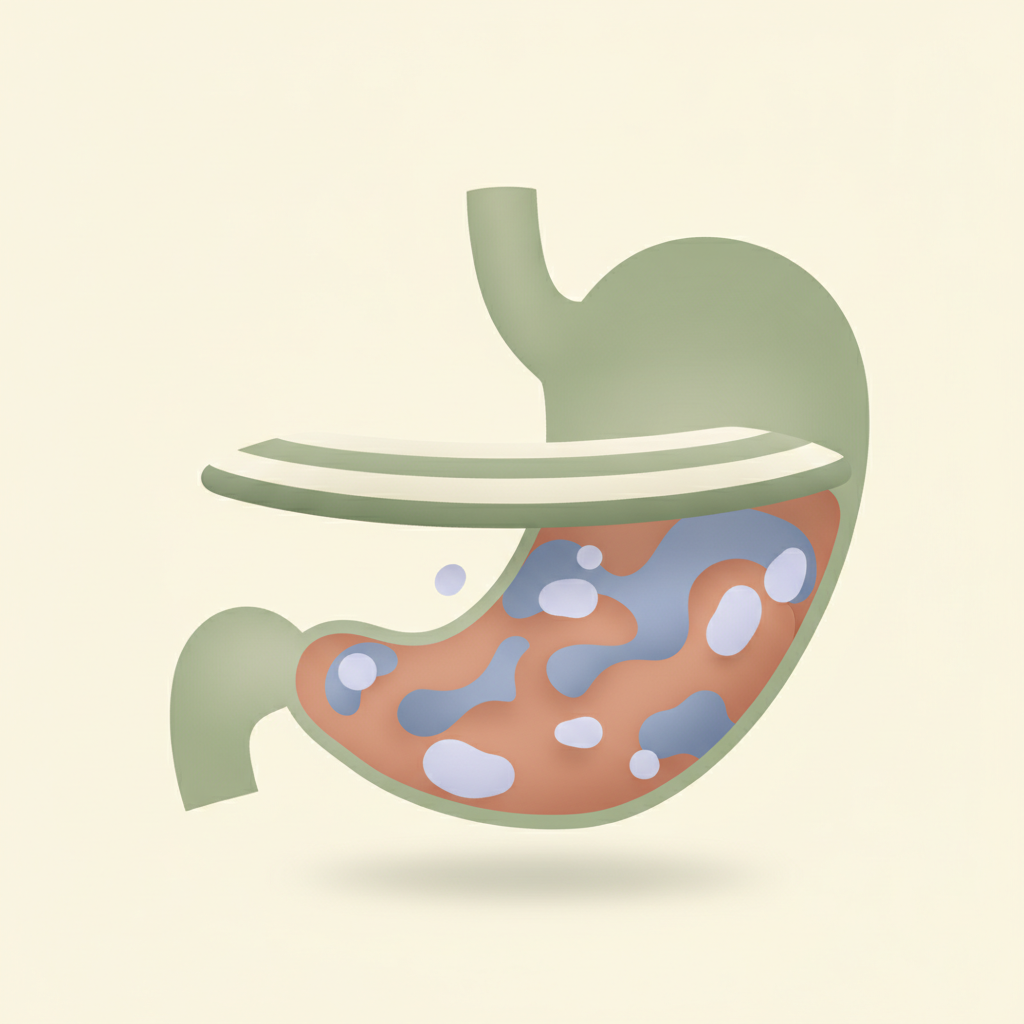
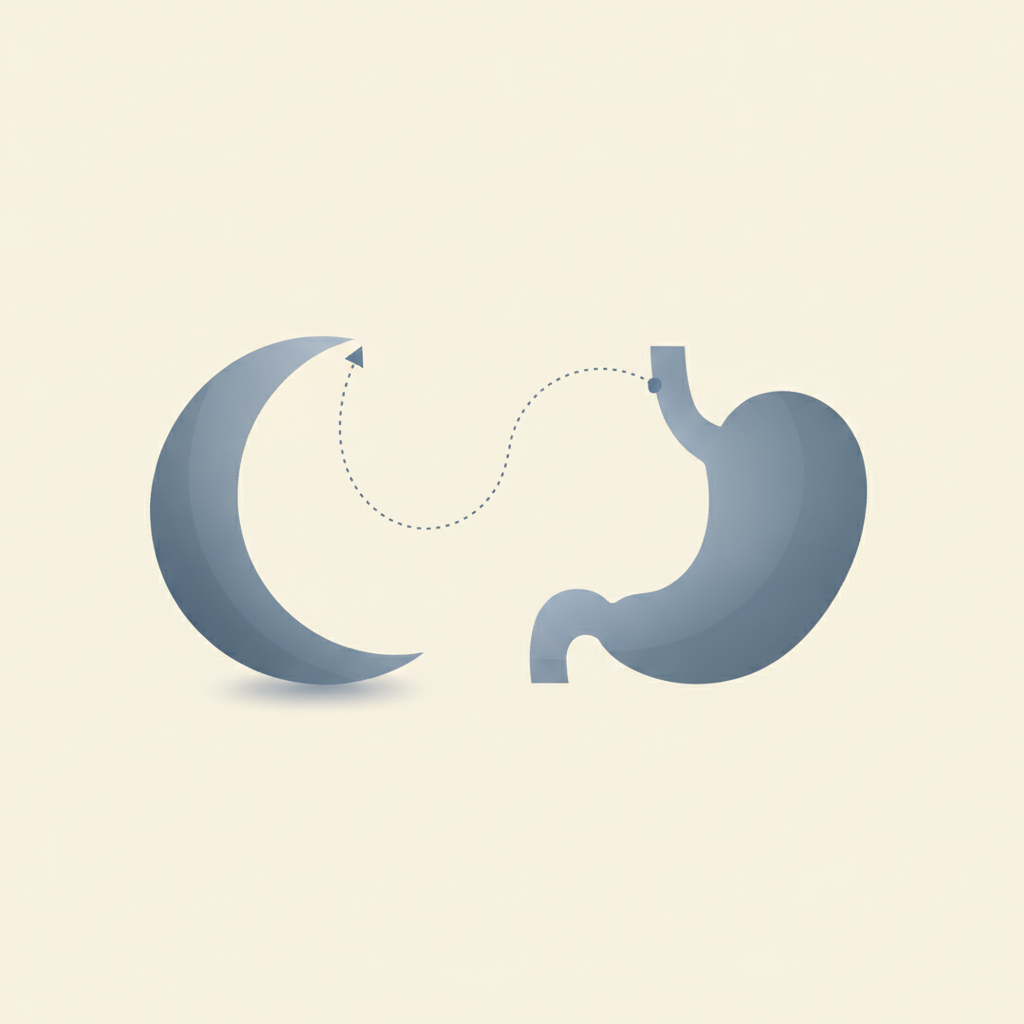
Melatonin is best known as a sleep hormone, but it's also produced in the digestive tract, where research suggests it may play a role in regulating LES function and reducing acid secretion. Some small studies have looked at melatonin supplementation for reflux specifically and found modest improvement in symptoms for some participants, though the research base is smaller than for established reflux treatments. There's also a practical, indirect benefit: better sleep quality on its own can reduce how disruptive nighttime reflux feels, and melatonin's primary, well-established use is improving sleep onset. Anyone considering melatonin for reflux should treat it as a possible complementary option rather than a primary treatment, and check with a doctor first, particularly if already taking other reflux medications or sleep aids.